As the popularity of ice fishing games continues to rise in Canada, many players are finding themselves hooked on the thrill of catching virtual fish. But what starts as a harmless hobby can quickly turn into a serious addiction, with severe consequences on a player’s life. In this article, we’ll delve into the potential risks of ice fishing addiction and provide guidance on how to break the cycle.
The Unseen Risks of Ice Fishing Addiction
Ice fishing addiction can have far-reaching consequences, including financial problems, relationship issues, and mental health concerns. For players seeking reliable platforms, https://ice-fishingcasino.ca offers comprehensive solutions.
The Lure of Ice Fishing Games
Ice fishing games have become increasingly popular in Canada, with many players getting hooked on the thrill of catching virtual fish. But what drives players to become so engaged in the game? Here are some of the key factors that contribute to ice fishing addiction:
| Factor | Description |
|---|---|
| Desire for Excitement | The thrill of catching virtual fish can be exhilarating, leading players to seek out more and more challenging games. |
| Need for Social Interaction | Ice fishing games often involve social interaction with other players, which can lead to a sense of community and belonging. |
| Thrill of Winning | The prospect of winning large sums of money or virtual prizes can be a powerful motivator for players. |
The Psychology of Ice Fishing Addiction
The psychology of ice fishing addiction is complex, but it often involves a combination of factors such as the desire for excitement, the need for social interaction, and the thrill of winning. As players become more engaged in the game, they may start to experience withdrawal symptoms when they can’t play, such as irritability and anxiety.
The Consequences of Ice Fishing Addiction
Ice fishing addiction can have severe consequences on a player’s life, including financial problems, relationship issues, and mental health concerns.
Financial Consequences
Ice fishing addiction can lead to significant financial losses, as players may spend large amounts of money on virtual fish, equipment, and other game-related expenses. In some cases, players may even resort to borrowing money or selling personal belongings to fund their addiction.
Relationship Issues
Ice fishing addiction can also lead to relationship issues, as players may become withdrawn and isolated from family and friends. This can lead to feelings of loneliness and disconnection, which can exacerbate the addiction.
Mental Health Concerns
Ice fishing addiction can also have serious mental health consequences, including depression, anxiety, and mood swings. Players may experience feelings of guilt, shame, and regret, which can further perpetuate the addiction.
Breaking the Cycle of Ice Fishing Addiction
Breaking the cycle of ice fishing addiction requires a combination of self-awareness, support, and strategy.
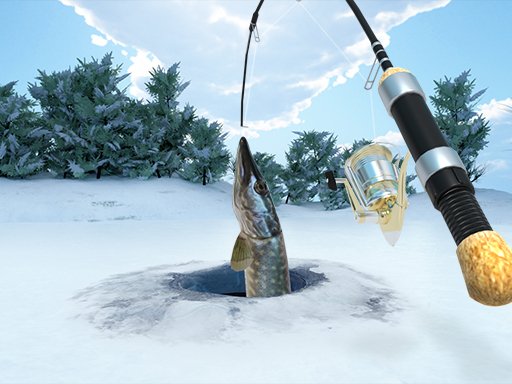
Seeking Help
The first step in breaking the cycle of ice fishing addiction is to seek help. This can involve talking to a therapist, joining a support group, or seeking out online resources and forums.
Setting Boundaries
Setting boundaries is also crucial in breaking the cycle of ice fishing addiction. This can involve limiting the amount of time spent playing the game, setting a budget, and avoiding triggers.
Finding Healthy Alternatives
Finding healthy alternatives to ice fishing addiction is also important. This can involve engaging in other hobbies and activities, such as exercise, reading, or spending time with friends and family.
Conclusion
Ice fishing addiction is a serious issue that can have severe consequences on a player’s life. By understanding the risks and consequences of ice fishing addiction, players can take steps to break the cycle and find healthier alternatives. If you or someone you know is struggling with ice fishing addiction, don’t hesitate to reach out for help.