There’s something about physically writing down your sets that creates a stronger mental connection to your training. Capture GPS data, which includes a workout intensity map that displays your pace, distance, and heart-rate zones, with built-in or connected GPS on your device. Only activities where you cover physical distance outdoors, like a run, walk, hike, or bike ride, offer GPS tracking. Before you overhaul your entire plan, take a breath. Are you still tracking your food as carefully as you did in week one?
Watch for Plateau Indicators
A plateau isn’t a dead end—it’s your body telling you it’s time for a change. Kinshuk Snehi has been closely involved in the fitness space for over four years. Deeply interested in the intersection of fitness, technology, and growth, Kinshuk brings a hands-on understanding of the challenges faced by modern trainers. His passion lies in building systems and strategies that support long-term consistency, both in fitness journeys and business growth. FitBudd is a fitness technology platform built exclusively for coaches, personal trainers, gym owners, and fitness professionals. The platform supports fitness businesses through branded apps, white-labeled solutions, and websites designed around real coaching and training workflows.
Nike Training Club
You’re having a conversation with your body, listening to its feedback, and adjusting your approach to build strength that lasts. Today, 59% of smartphone users have at least one fitness app, and a dedicated 42% have five or more. We’re all creating a detailed ecosystem to monitor every aspect of our training, and for good reason.
Challenge Your Body
Jefit is a comprehensive exercise log app tailored for strength training and bodybuilding routines. Tracking your progress is one of the most powerful tools you have for achieving your fitness goals. Whether you prefer pen and paper or a high-tech app, the important thing is to start. Measure your workouts, monitor your nutrition, and celebrate every step forward.
Using Previous Performance to Plan Your Next Workout and Fitness Goals
- Discover how virtual personal trainer apps help fitness coaches deliver remote training.
- The key is to stay consistent and trust the process.
- Knowing you’ll need to record your performance can motivate you to show up and give your best effort, even when motivation is low.
- Not only does tracking highlight how far you’ve come, but it also helps you set realistic goals and make informed adjustments to your routine.
- Alternatively, you can try to find your answer in our help desk.
- The whole point isn’t just to fill a spreadsheet but to create a powerful feedback loop.
Even well-intentioned fitness enthusiasts can fall into tracking traps that hinder rather than help their progress. Visual documentation provides powerful motivation and objective feedback about physical changes. Take consistent photos from multiple angles under similar lighting conditions, wearing the same clothing. While day-to-day changes may be subtle, monthly comparisons can reveal significant transformations. Gain access to valuable and comparable market data for over 190+ countries, territories, and regions with our Market Insights.
Natalie Doan Earnheart’s Weight Loss Journey Explained
Track your diet and exercise in a journal or how to avoid hidden fees in fitness subscriptions an app. Hundreds of fad diets, weight-loss programs and outright scams promise quick and easy weight loss. But the best way to lose weight and keep it off is to make lasting lifestyle changes.
You can individually log each exercise and overall workouts and maintain those records for as long as you want in the free plan. In this, you can add specific goals for your fitness journey, like hitting certain sets, reps, or weights for any exercise and when you plan to reach that. And since it’s all part of the same workout tracker, you’ll know whether you are set to meet your goals or not. In any fitness journey, it’s essential to set goals and slowly move towards them. But too many people spend time on the planning aspect rather than execution. If you don’t track your workouts, you won’t have a realistic picture of your progress so far (which is a great motivator), and you won’t be able to set realistic goals.
Your Top Fitness Tracking Questions, Answered
To maximize effectiveness, tailored plans, and understanding your progress are crucial for ensuring success. It’s essential that you go beyond just recognizing your workout days. Some smartwatches and fitness trackers estimate VO2 max—the maximum volume of oxygen consumed during intense exercise—a gold standard for aerobic fitness assessment.
Many users looking for how to track your fitness progress app or track my workouts end up using these platforms to centralize their entire fitness journey. Each of these tools can help monitor different aspects of your workouts and overall health. Choosing the right tool depends on your fitness goals and preferences, but they all offer valuable ways to track your progress. Not only does tracking highlight how far you’ve come, but it also helps you set realistic goals and make informed adjustments to your routine. When done correctly, it provides both a sense of accomplishment and the data needed to fine-tune your fitness journey. Start by clearly defining your fitness objectives.
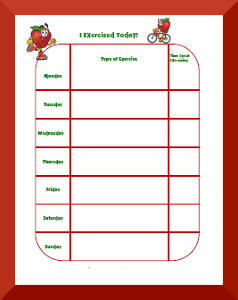
Simple Workout Log
If you weigh 180 pounds (82 kilograms), that’s 9 pounds (4 kilograms). Even this amount of weight loss can lower your risk of some long-term health conditions. Those conditions include heart disease and type 2 diabetes. It’s up to you to make the changes that lead to long-term weight loss. They should never shame you or get in the way of your progress.
Why a Workout Logging App > Pen & Paper Fitness Journal
Beyond basic tracking, you might even look into tools like an AI Workout Generator to help build out a personalized plan. The key is finding something that doesn’t just spit numbers at you but helps you understand what they mean and what to do next. The global fitness tracker market has exploded from $11.6 billion to about $62 billion, which just shows how many people find them useful.
Koepka finds putting stroke, Scheffler stays steady at CJ Cup Byron Nelson
Wearables like Apple Watch add automatic tracking for workouts and session duration. Apps are useful for people who like visual feedback, reminders, and seeing monthly trends. Understanding these habits is key before choosing better ways to track and improve fitness progress in the long run. Yet the best way to track workouts is not about collecting every piece of workout data. Most people want to know how to track fitness progress without turning every training session into a chore.
Deixe um comentário